
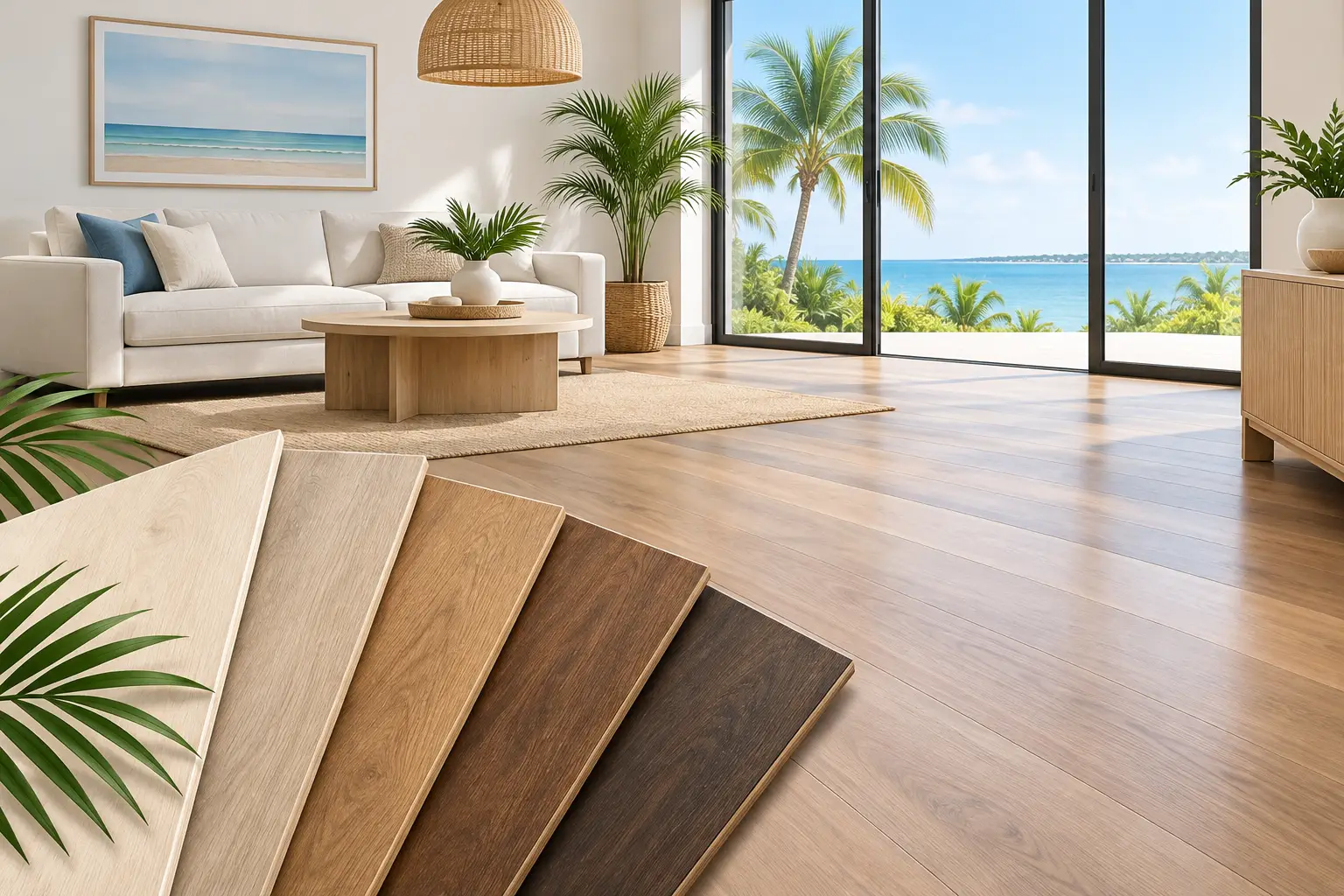
A floor color can make a home feel freshly updated or quietly dated, even when every other finish is in good condition. The most appealing wood floor color trends are not about chasing a short-lived look. They are about choosing tones that bring out the character of real wood, work with Florida light, and continue to feel right as furnishings and paint colors evolve.
For homeowners planning a new installation or refinishing project, the goal is rarely to make a dramatic statement with the floor alone. It is to create a refined foundation for the entire home. That usually means considering more than a stain chip. Species, existing wood condition, natural light, cabinetry, wall color, and the finish sheen all influence the final result.
Wood Floor Color Trends Lean Natural and Warm
Cool gray floors had a long run, but homeowners are increasingly choosing colors with more warmth and depth. The shift is subtle rather than overly rustic. Think balanced brown, soft beige, warm taupe, and natural wood tones that show grain instead of covering it.
This direction works especially well in Southwest Florida homes, where bright daylight, coastal influences, and open floor plans can make very gray flooring feel flat or cold. Warmer wood colors add comfort without making a room feel dark. They also pair naturally with the creamy whites, soft greens, sandy neutrals, and clean-lined furnishings common in updated Gulf Coast interiors.
The best trend to follow is the one that respects the wood itself. A carefully selected stain should enhance variation and texture, not make every board look artificially uniform.
Natural and Clear-Finished Wood
Natural-looking floors are among the strongest choices for homeowners who want a timeless result. On white oak, a clear or lightly toned finish can create a clean, modern appearance while preserving the wood’s natural movement. On red oak, a neutralizing stain can soften stronger pink or orange undertones without erasing the grain that gives the floor personality.
A natural finish is not always colorless. Many homeowners use subtle custom blends to keep the floor from turning too yellow, too gray, or too pale under the home’s lighting. The difference may look minor on a sample board, but it becomes significant across an entire living area.
This approach is particularly effective for homes with abundant windows. It provides a light, open feeling while still giving the room visual warmth. It also gives homeowners flexibility when changing rugs, upholstery, or wall colors later.
Warm Neutrals With Soft Brown Undertones
Warm neutral stains are replacing the cool, heavily gray finishes that defined many remodels several years ago. These colors sit comfortably between blond and medium brown. They may include touches of taupe, mushroom, wheat, or muted caramel, but they do not read orange or overly golden.
The appeal is practical as well as visual. Warm neutrals tend to complement a wider range of wood furniture, cabinetry, and stone finishes. They are forgiving of everyday dust and small marks compared with very dark floors, and they bring enough contrast to define the boards without making a room feel busy.
The right shade depends on the wood species. White oak generally accepts these tones beautifully, often producing an even, contemporary finish. Red oak can also be transformed with the proper preparation and stain blend, although its distinct grain and underlying color need to be considered from the start.
Medium Browns Are Making a Confident Return
Medium brown floors are back because they offer something many homeowners want: richness without the maintenance demands of espresso-dark wood. A medium brown can feel traditional, transitional, or modern depending on board width, finish sheen, and surrounding design choices.
This is a strong option for homes with existing woodwork, warmer cabinetry, or more formal spaces. It also gives older hardwood floors a renewed sense of depth after refinishing. Rather than trying to make a classic floor look like a different species, a well-chosen medium brown stain can celebrate what is already there.
Dark brown remains beautiful in the right home, but it deserves an honest conversation. It can show dust, pet hair, scratches, and footprints more readily, especially in sun-filled rooms. A medium tone often delivers much of the same sophistication with less day-to-day pressure to keep the floor looking perfect.
Lighter Floors Still Need Enough Depth
Light floors remain popular, particularly in homes with open layouts and coastal-inspired interiors. The most successful versions avoid a washed-out appearance. They have enough natural variation and warmth to feel like hardwood rather than a flat, pale surface.
Light oak, soft blond, and gentle beige tones can make rooms feel larger and brighter. They work well with white cabinets, natural stone, and casual contemporary furnishings. However, a very pale floor is not automatically the best choice for every home. In rooms with bright white walls, light cabinets, and limited contrast, it can leave the space feeling visually unfinished.
Adding a slightly deeper neutral tone or using a satin finish can provide the definition the room needs. The wood grain should remain visible, especially on wider planks where the floor becomes a major design element.
Finish Sheen Shapes the Color You See
Color selection and finish sheen should be decided together. The same stain can look noticeably different under gloss, semi-gloss, satin, or matte finishes. Higher sheen reflects more light and can make color look richer, but it also highlights scratches, footprints, and surface imperfections.
For many active households, a satin or matte finish offers the best balance. It gives hardwood a refined, current appearance while being more forgiving in daily use. Matte finishes are particularly well suited to natural and warm-neutral colors because they let the grain take center stage instead of creating a highly reflective surface.
A low-sheen finish does not mean a dull floor. Quality finishing products and careful application create a smooth, elegant result with depth. The choice should reflect how the home is lived in, not just how a sample appears under showroom lighting.
Custom Staining Is Better Than Choosing From a Chart
Stain charts are useful starting points, but they cannot predict exactly how a color will appear on your floor. Existing wood may have uneven color from age, previous finishes, sun exposure, repairs, or different board sections. New wood can also vary significantly by species and grade.
That is why custom stain samples are essential. A skilled flooring professional can prepare test areas directly on the floor, allowing you to compare options in the actual light of your home. View them in morning sun, afternoon light, and evening interior lighting before making a decision.
This process also helps identify undertones that may be easy to miss at first. A gray-brown stain may pull green in one room. A warm neutral may appear more golden beside cool-toned tile. Testing prevents an expensive decision from being based on a small sample viewed under unfamiliar lighting.
Walnut Creek Wood Floors approaches color selection as part of the craftsmanship, not an afterthought. Proper sanding, thoughtful sample preparation, and a clean application process all contribute to a floor color that looks intentional from one room to the next.
Consider the Home Before the Trend
The most lasting floor colors work with the home’s architecture and the finishes that are staying. A sleek newer home may suit light natural oak or a balanced taupe. A traditional home with detailed millwork may benefit from a richer medium brown. An older home may look its best when the refinishing process restores the original floor’s depth rather than forcing it into a trend that does not fit.
Also consider lifestyle. Families with children, pets, and frequent guests may prefer mid-tone colors and satin finishes that are more forgiving between cleanings. Property managers may prioritize a versatile neutral that appeals to future tenants or buyers. Homeowners planning to stay for years may have more freedom to select a color that feels distinctly personal.
Floor color trends can provide useful direction, but a beautiful hardwood floor should not feel temporary. The strongest choice is usually a natural, well-balanced tone that supports the home rather than competing with it. When samples are viewed in the real space and the wood is prepared with care, the result can feel current now and still feel like it belongs years from now.
Leave a Reply